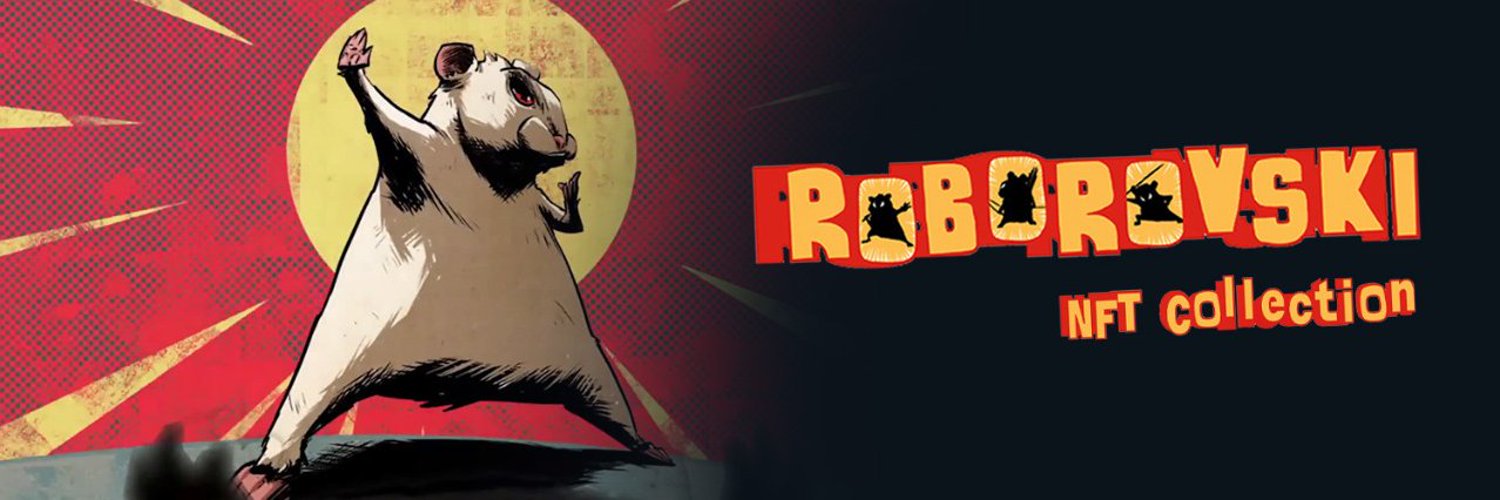
Roborovski NFT Collection by SYA Concept
When SYA Concept, a renowned European design studio, approached me, they needed more than just a smart contract—they needed a fully protected technical infrastructure to handle a massive, highly-anticipated NFT drop.
Fast Facts & Metrics
- Peak Load: 15,000+ concurrent users during mint phrase
- Bot Attacks Prevented: 100% mitigation of automated Sybil attacks
- Gas Optimization: ~35% lower gas costs compared to standard ERC721A implementations
- Time to Market: 6 Weeks from technical spec to Mainnet deployment
Tech Stack Overview
- Smart Contracts: Solidity, Hardhat, ERC721A, Chainlink VRF
- Backend & Security: Node.js, Express, Redis (Rate Limiting), PostgreSQL
- Frontend: React.js, Web3.js, WalletConnect v2
Engineering Challenges
1. The Bot Menace
A major concern was automated sniper bots draining the whitelist allocation. Traditional on-chain whitelists (using Merkle Trees) are exposed and predictable.
Solution: I engineered a hybrid backend-signer architecture. Users had to authenticate their Twitter and Discord via OAuth. The backend verified their eligibility and generated a time-stamped, highly-secure cryptographic signature (EIP-712). The smart contract only accepted mint transactions carrying this unique signature, rendering bot scripts utterly useless.
2. Gas Wars During Public Mint
During a hyped public mint, network congestion can cause users to lose thousands in failed transactions.
Solution: I implemented a specialized, batch-friendly adaptation of ERC721A. This allowed users to mint multiple NFTs in a single transaction with O(1) gas complexity, saving the community thousands of dollars in aggregate gas fees.
The Outcome
The technical execution matched the high quality of the artwork. The collection sold out smoothly within hours of the public phase opening. Not a single bot successfully bypassed the signature protection, ensuring fair distribution directly to the community.